

Climate Change as a Human Rights Issue
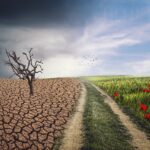 The environmental crisis is increasingly viewed through a human rights lens. For communities in Australia—especially Indigenous peoples and those in low-lying coastal areas—the impacts of climate change threaten housing, health, and cultural survival. Legal actions, such as youth-led climate litigation, are reframing environmental policy as part of Australia’s human rights obligations.
Climate Change: An Inseparable Struggle
Climate change is often framed as an environmental or scientific challenge—melting ice caps, rising sea levels, and shifting weather patterns. But at its core, it is also a profound human rights issue. Around the globe, millions of people are already experiencing climate impacts that threaten their basic rights—to life, health, food, water, housing, and even cultural identity. Recognizing this overlap is crucial if we want to build a just and sustainable future.
Addressing the human rights implications of climate change means combining environmental policy with social justice. This requires:
Inclusive decision-making: Involving communities most affected in shaping climate policies.
Equitable adaptation strategies: Ensuring vulnerable populations receive priority in resilience-building efforts.
Global solidarity: Wealthier nations, historically responsible for the majority of emissions, should provide financial and technological support to countries struggling with climate impacts.
Conclusion
Climate change is not a distant threat—it is a present reality affecting millions. By framing climate action as a human rights imperative, we broaden the scope of responsibility and urgency. Protecting the planet is inseparable from protecting people. Our shared future depends on addressing both together.
Do You Have More Time to Read?…
Please Continue…
Sure! Here’s a polished, informative blog post on the topic of Human Rights and Climate Change:
Human Rights and Climate Change: An Inseparable Struggle
Climate change is often discussed in terms of rising temperatures, melting ice caps, and extreme weather events. While these environmental changes are critical to acknowledge, the human dimension of climate change is equally urgent. At its core, climate change is not just an environmental crisis—it is a human rights crisis.
The Human Face of Climate Change
Climate change directly affects fundamental human rights: the right to life, health, food, water, shelter, and security. For communities living on low-lying islands, rising sea levels threaten their homes and cultural heritage. In drought-stricken regions, reduced crop yields jeopardize livelihoods and food security. Extreme weather events like hurricanes and floods can displace millions, stripping them of safety and dignity.
Importantly, marginalized and vulnerable populations—such as Indigenous peoples, rural communities, and low-income groups—are often hit hardest. They frequently lack the resources to adapt, and yet contribute the least to the greenhouse gas emissions driving global warming. This disproportionate impact is a matter of justice and equity.
Climate Change as a Human Rights Issue
Recognizing climate change through a human rights lens helps shift the conversation from abstract environmental metrics to tangible human consequences. International frameworks, such as the Universal Declaration of Human Rights, already affirm that everyone deserves a standard of living adequate for health and well-being. Climate change threatens to undermine these universal guarantees.
The United Nations and various human rights organizations have emphasized that governments have obligations to act—not only to mitigate climate change but also to protect citizens from its worst effects. This includes ensuring access to clean water during droughts, providing safe housing in the wake of disasters, and supporting climate refugees who have lost their homes.
Legal and Moral Responsibility
Viewing climate change as a human rights issue creates both legal and moral imperatives. Governments, corporations, and individuals share a responsibility to reduce emissions, transition to clean energy, and safeguard communities against climate threats.
Recent legal cases have held governments accountable for failing to meet climate commitments, arguing that such failures violate citizens’ rights to life and health. These precedents demonstrate that human rights law can be a powerful tool in climate advocacy.
A Path Forward
Addressing the human rights implications of climate change means combining environmental policy with social justice. This requires:
Inclusive decision-making: Involving communities most affected in shaping climate policies.
Equitable adaptation strategies: Ensuring vulnerable populations receive priority in resilience-building efforts.
Global solidarity: Wealthier nations, historically responsible for the majority of emissions, should provide financial and technological support to countries struggling with climate impacts.
Conclusion
Climate change is not a distant threat—it is a present reality affecting millions. By framing climate action as a human rights imperative, we broaden the scope of responsibility and urgency. Protecting the planet is inseparable from protecting people. Our shared future depends on addressing both together.
Thank you for Reading!